Recent interviews
Metal Covenant träffade Mister Misery-gitarristen Alex Nine på ett café i Stockholm för att prata om bandets nya självbetitlade platta.
Till att börja med. Den fantastiskt tråkiga, men kanske nödvändiga frågan. Vilka är Mister Misery?
Vi är fyra grabbar. Jag och sångaren Harley är de enda originalmedlemmarna sedan 2018. Rizzy på trummor kom in 2019 och Alister på bas kom in 2020. Men sedan har vi hängt ihop sedan dess. Vi har släppt två plattor; den tredje kommer nu den andra augusti. Vi spelar modern, alternativ metal, med inspiration från Black Veil Brides, Arch Enemy, Motionless In White, Trivium. Vissa vill kalla det metalcore, vissa vill kalla det någon form av skräck-metal, och det är en stämpel som vi faktiskt försöker tvätta av lite grann. Vi tycker inte det, för jag skulle säga att vi sjunger till 75–80 procent om vardagliga ämnen. Sådant man kan relatera till, känslor, och så är det 20 procent fiktion. Så det är vi fyra, vi släpper tredje albumet, vi ska ut på turné, vi ska spela festivaler, vi ska spela på Wacken nu.
Var är ni ifrån ursprungligen i det här landet?
Vi är ju utspridda. Det är Stockholm, Karlstad och Göteborg. Jag och trummisen är ifrån Dalarna från början, basisten från Stockholm och Harley, sångaren, från Värmland, Karlstad. Så det är svårt att repa.
Du nämnde några av era influenser. Det är egentligen bara band som har funnits i stort sett på 2000-talet. Har ni några äldre influenser också?
Ja, ja, ja. Jättemånga. Alltså, bland annat Mötley Crüe och Guns N’ Roses, som är två av Harleys största idoler. Han tycker om att blanda in lite så här old-school rock ’n’ roll i modern metal. Alltså, att man har lite den kanske attityden, eller den känslan i musiken, samtidigt som det är teknisk metal. Så för mig är det väl In Flames, Linkin Park. Ja, vad ska vi ta mer från gamla? Ja, det var väl mer kanske Iron Maiden för mig, så där kommer ju det melodiska liksom. Ja, men vi är ju ganska unga. Vi är ju liksom 25–30. Så det blir ju lätt så att det inte är så många från 80-talet kanske. Men samtidigt, vår basist, hans favoritband är ju Kiss, så där kommer ju också så här att han verkligen brinner för det här teatraliska och sminket och att utrycka sig. Och det gör vi egentligen allihopa. Vi sa det tidigt, att gå upp på scen i ett par jeans och en band-t-shirt, vi vill inte göra det. Scenen, du kan utveckla det hur mycket som helst. Använd det, gör något kul, gör något extra. Jag tycker att det annars blir att man kanske tar med sitt vardagliga jag upp på scen och där är ju verkligen en plats där du kan göra så mycket mer. Det är lite som att måla en tavla. En blank kanvas, gör vad du vill med det. Och det är samma, gå upp på scen, du kan göra vad du vill, utveckla showen, utveckla dig själv och stilen, färger, vad vill du ha för skor på dig? Det är jättekul.
Vad gjorde ni grabbar innan Mister Misery? Ni måste ju ha hunnit med lite i musikväg innan alla bara ramlade in i det här.
Ja, Alister: han hade sitt andra band som hette Alister faktiskt och han spelade väl lite så här Alice Cooper, 80-tals rock/ metal-hållet. Harley: han var i L.A. och pluggade musik på MI, startade ett band där, men sedan så valde han att komma tillbaka till Sverige. Jag har varit lite in och ut som sessionsmusiker, för jag hittade inte rätt medlemmar att starta band med. När jag flyttade till Stockholm för 13 år sedan, då var det mycket old-school rock ’n’ roll eller det var glam- och sleeze-scenen här mycket i Stockholm, och jag kände så här ”Näej”. Jag var lite mer modern metal och det var svårt att hitta människor som ville spela den musiken, så då sa jag att ”Nämen, jag hoppar med en stund. Jag kan göra enskilda gig.”. Så jag åkte med Kobra And The Lotus, jag spelade med Miljenko (Matijevic) från Steelheart ett par gånger, körde lite covers, trubadurade lite, bara för att hålla igång musiken, tills jag äntligen träffade Harley 2018, och då bara ”Perfekt. Nu.”. Då var det bra. Risse: han har ju pluggat musik hur mycket som helst och det roliga med honom är att han är ju jazz-/ soul-/ fusion-trummis från början och kommer från den skolan. Haft flera band innan, så när vi kontaktade honom, då hade han aldrig spelat den här musiken innan, så han sa det ”Ja, jag vet inte hur man spelar det här.”. (Skratt) Och det tog honom tre dagar och så satte han låtarna, för han är helt otrolig. Nämen, både Alister och Risse, när vi fick in dem i bandet, då kände vi ”Ja, nu är det rätt.”.
Eddie Crow var med på första plattan, men han fick ju kicken, eller hur?
Ja, han fick kicken. Ja, hm, det var dumma saker som hände, så vi sa bestämt nej. Det var ett väldigt enkelt beslut.
Jag tänkte på Alister. När det ändå fanns en Alex i bandet redan, och han har ett artistnamn, kunde ni inte hitta på något annat än Alex liksom? Ni kallar ju honom Alister, men ändå.
Ja, så vi sa det från början när han kom med att så här ”Jag är Alex. Han är Alister.”. Men grejen är att alla kallar honom för Alister, även innan bandet, så det är typ egentligen bara hans familj som kallar honom för Alex. Alla andra tilltalar honom Alister. Så det har blivit ganska enkelt så.
Men är det jäkligt svårt att komma på ett artistnamn?
Ja, det var det. När man försöker komma på ett artistnamn så tänker man ju direkt så här ”Okej, det här är ett namn som jag ska försöka bära med mig i 20 år framöver kanske.”, om allt går vägen. Så då är det svårt. Sedan så, vi har ju våra artistnamn, men det är också så där att det är sällan som vi säger våra hela artistnamn, så vi går ju mest Harley, Rizzy, Alister och Alex. Det känns rätt skönt att hålla det så liksom.
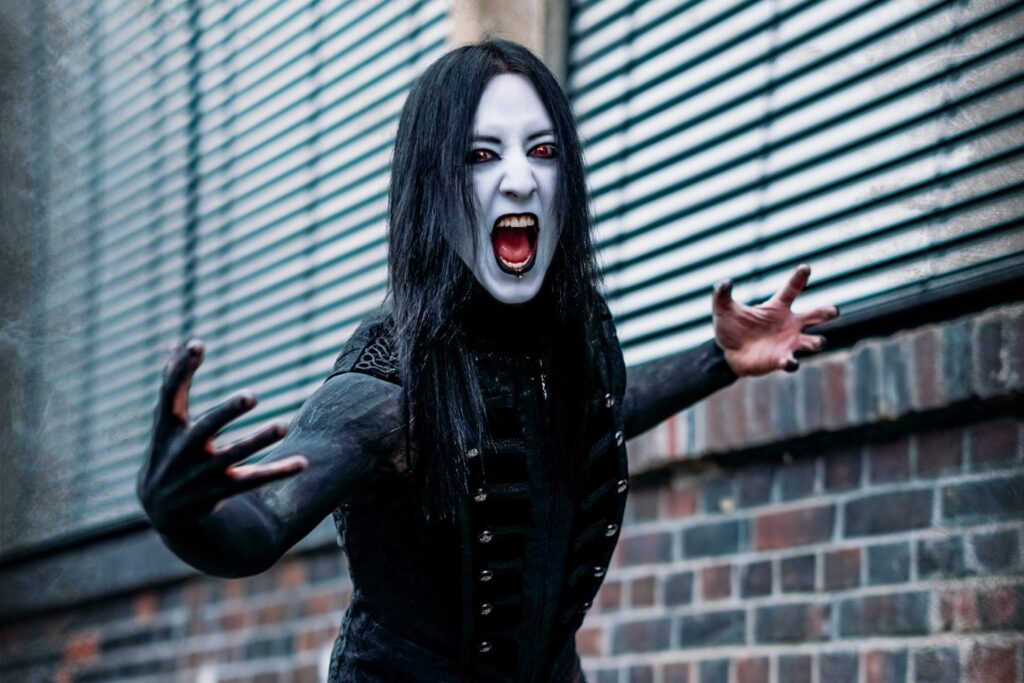
Nu ska vi hoppa till det aktuella. Det är ju er nya platta, som släpps andra augusti. För mig känns det verkligen som en Mister Misery-skiva och det känns, för mig, som en fortsättning från de två första skivorna. Hur känner du själv då? Du som är en av skaparna av musiken. Har du samma tankar som mig eller känner du lite annorlunda?
Det här är ju det albumet där vi har samarbetat mest på, allihopa i bandet, och nästan alla har ju liksom skrivit också typ en egen låt helt från grunden, och man har kompletterat och liksom kommit med tankar högt och lågt, och mixen, ”Hur ska det låta? Hur ska trummorna låta?”, ja, allting. Men det som vi känner är ju att, det här kommer låta så lökigt, men det är en jättebra blandning av de båda första albumen, för att du har lite av båda, men med en bättre mix. Så det låter väl lite mer moget, lite mer modernt, kanske lite mer lättsmält för öronen hos gemene man. Typ nu Doomsday Clock, som vi släppte nyligen: vi tror att den, dels mixmässigt är lättare för folk att lyssna på än kanske det första albumet. Det låter väl lite närmare det du hör på Spotify playlist idag. Det är lite mer åt det mixhållet. Vi försöker väl att smälta in lite där för att vi ska bli mer accepterade, kanske. För det har ju varit svårt. Vissa tror att vi är ett black metal-band, vissa bara ser sminket och tänker ”Äh, vad fan är det här?”, och någon tidning skriver ”Det är skräck-metal.”, så folk bara ”Nä, jag ska inte lyssna.”. Så där försöker vi ju bli mycket mer lättåtkomliga för en bredare publik.
Jag tänker att nu är det er tredje skiva, ni har er image, och du säger att skivan är lite lik de andra två. Kan man någon gång känna då att man nu har låst in sig i något fack som man är fast i till slut?
Nämen, vi har pratat om det mycket, att man måste våga testa lite nya grejer, och det tycker vi ändå att vi har gjort med den här plattan. Tidigare var det så att vi sa ”Vi ska inte skriva om vissa ämnen, det där är lite för basic, det där är kanske lite för radiovänligt, kanske lite för tråkigt.”. Med den här plattan har vi sagt ”Nämen, vi testar det.”. Lite åt det hållet. Vad ska vi ta för exempel? Nämen, Doomsday Clock, där sjunger vi om liksom så här samhället och hur förstört det egentligen är, och vi har aldrig gått in på det ämnet tidigare. Det har varit stuggles, depression eller fiktionkaraktärer, medan nu vill vi sjunga om kanske världen runt omkring oss. Ja, det finns ju egna känslor också, men att man blandar in sådant. Det är en jättebra fråga, för jag tror inte vi känner att vi har låst in oss i ett hörn. Snarare att vi faktiskt kommit lite längre på det här albumet. Någonting som vi känner är väl att vi kanske är lite trötta på att skriva om spöken. Vi har gjort det ganska mycket och nu känner vi att det finns mycket annat att skriva om också. Man utvecklas. Det är samma med, ja, ta In Flames, eller Linkin Park, de utvecklas också. Man ska inte vara rädd för att göra det, även om vissa tycker att då sviker du alla gamla fans. Vi håller oss ändå så pass breda fortfarande. Det finns ju, inte riktigt, men nästan en låt för varje person. Det finns en power metal-låt. Det finns radio, Motionless In White-låt. Det finns skräcklåt, Alice Cooper. Nej, jag känner inte att vi har låst in oss i något hörn. Det kommer också lite till hur vi klär oss till exempel, för att i början var det mycket så här ”Vi ska se ut som vampyrpirater.” eller så här, och nu är det mer ”Nä, vi vill ha det lite mer rock ’n’ roll.”. Alltså lite mer skitigt, slitet, en läderjacka, lite kedjor och lite allt möjligt. Det är där vi är nu. Och det är samma med sminkningen. Om någon vill testa, ”Jag vill testa den här sminkningen. Jag vill titta på färg här.” blir jag så här ”Kör på bara.”. Vi håller liksom inte tillbaka någon när det kommer till sminket.
Men kolla på Mötley Crüe till exempel. Första två skivorna, ganska mycket nitar och så, tredje skivan, glamkläder hela gänget. Så det är väl öppet.
Ja, men de följde efter tiden lite. Det gjorde ju Metallica också. Och det gjorde ju… Vilka var det som gjorde det? Alltså, som bytte stil rakt av.
Ja, man kan ju säga att när Kiss tog av sig sminket så var det en ganska stor sak.
Ja, det var väl helt sjukt. Alltså, det är så spännande. Vi får se var vi är om fem år. Just nu är vi nog på det bästa stället vi har varit. Vi gör väldigt mycket själva i bandet. Så vi har inget management längre, utan det gör vi själva. Bokningsbolag, vi är signade på AFM, och det känns bra. På något sätt har vi liksom vuxit in i det. Vi har lärt oss mycket. Du vet, allt från att vara ute och spela, och släppa musik, till företagsamhet, till ja, allt. Ja, nu börjar vi få en formel på det. Men det har ju tagit sex år. Det tar tid.
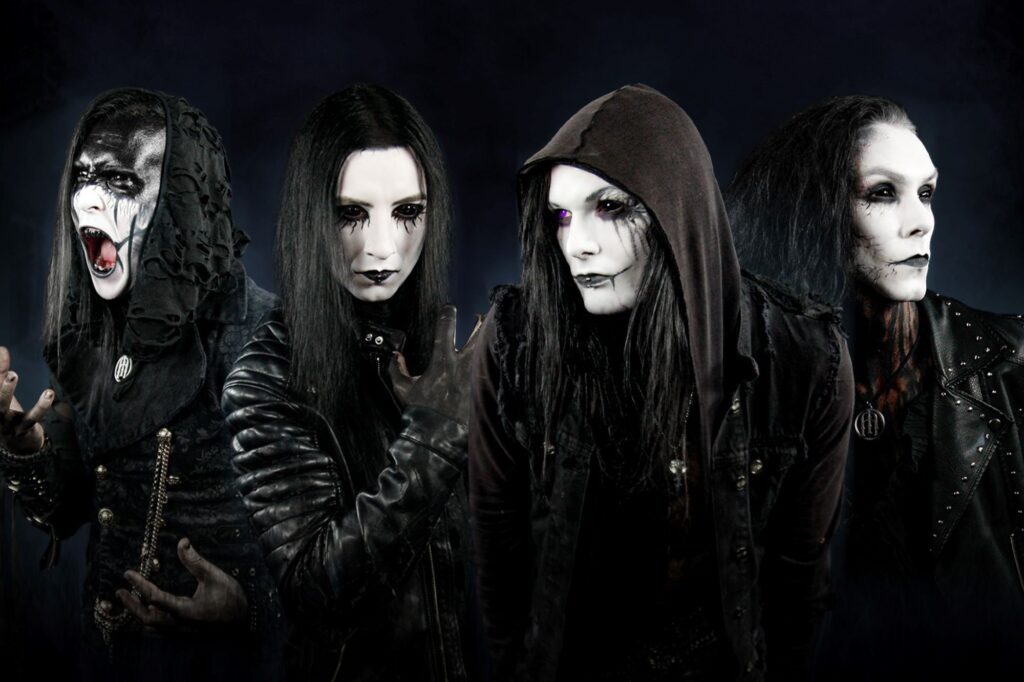
Plattan sägs vara självbetitlad, men jag tycker att det står tre ganska klara streck på framsidan. Är inte det lite tvetydigt, att den då ändå skulle kunna heta III liksom?
Nämen, det har du en jättebra poäng med. Det var så här att inför plattan så var det mycket om att vi pratade om Chapter III, och så sa vi så här ”Ska vi döpa plattan till Chapter III?” och vi bara ”Det låter lite lökigt. Det låter lite tråkigt.” och så sa vi ”Det här albumet är det albumet där vi har kommit varandra mycket närmare.”, och vi har utvecklats som människor, som musiker, alla har varit lite mer delaktiga och det har blivit liksom, vad vi anser, det bästa albumet hittills. Och då sa vi ”Det här är vi.” och vi sa det ”Det är rätt coolt med att bara släppa ett album självbetitlat.”. Många band har gjort det. Nu är det vår tur. Så vi sa det, ”Men vi sätter en trea bara för att det här är den tredje.”, men den heter Mister Misery.
Vi får väl se vad det blir i folkmun, om ni blir lite större. Då vet man aldrig vad som blir.
Ja, så bara ”Ja, men deras platta III.” och man bara ”Oh, my God.”. (Skratt)
Hur spelade ni in den här plattan då? Det är ju inte så vanligt att man gör som de äldre banden gjorde och ställer sig i en studio och betalar en miljon och ser fattig ut när man kommer därifrån.
Det här är den lägst budgeterade plattan vi någonsin har spelat in, för vi har spelat in allting själva, inklusive trummorna i replokalen, och det enda vi har tagit in är en kille som har mixat trummorna i efterhand; någon som är duktig på det. Men vi har liksom mickat upp och ljuddämpat replokalen så pass bra tills vi bara ”Nu låter det rätt bra.”. Rizzy har ju replokalen 500 meter från där han bor, så då kan han ju gå dit, smacka in en låt, skicka iväg på mix, och så är den låten klar. Så det har ju gått jättebra.
För det är just trummorna som är det största problemet när man ska göra det hemma i vardagsrummet, om man säger så.
Ja. Sången också. Men sången har Harley faktiskt hittat ett jättebra rum där han kan spela in i. Men det är också så här: ljudkort, dator, mick, puffskydd.
Jag tänker på sången. Det ligger ju lite effekter och filter på sången, men då tänker jag, hur gör ni live i de situationerna egentligen?
Vissa låtar är ju svårare att återskapa live. Hur ska man se på det? Vi alla sjunger ju. Vi alla lägger ju stämmor och skriker och så där, men när det kommer till typ distorsion-filter på micken och sådana där förvrängningsfilter, det har vi inte börjat med. Det kommer ju en punkt där man har den typen av utrustning och egen ljudtekniker som åker med på varje spelning. Just nu är det så här att vi kanske har tre olika personer, två i Tyskland och en i Sverige, och det är inte säkert att två av dem kan. Så vi har inte en ljudtekniker som åker med på allt och då är det jättesvårt att få in de här sakerna. Så det är något vi vill fixa för framtiden, men just nu så kan vi inte använda det.
Sex låtar är redan släppta som singlar, så halva plattan finns redan ute. Var tog överraskningsmomentet vägen då, om att få sätta på en skiva och lyssna?
Där ska jag säga att överraskningsmoment för album existerar inte längre. Det är borta sedan länge. Det är bara singlar som gäller. Egentligen hade vi velat släppa hela albumet som singlar, att bara släppa en singel i månaden under hela året. Det är ett drömscenario, för att med båda plattorna, och det här säger alla artister, släpper du ett album idag, med ett attention span på tre sekunder, folk lyssnar på de tre första låtarna och sedan så är det klart där. De sista låtarna kanske får 30,000 streams och singlarna får miljoner. Det är sådan stor, astronomisk skillnad i vilket utrymme låtarna får på ett album.
Det som är svårt, som jag ser det, att göra många släpp är ju att man har en begränsad budget som band, till exempel från ett skivbolag. Hur pratar ni om det, för ni lär ju inte få en skivbudget till varje singel, eller?
Det är mycket lättare, och billigare, att promota en singel än ett album.
Men du ska göra det 12 gånger, tänker jag på.
Det är ju väldigt mycket digital marknadsföring för en singel idag. Du trycker ju inte upp en singel på vinyl, eller trycker en CD-skiva som singel, så den kostnaden är ju borta. Så jag tänker överlag, det är inte så stor skillnad budgetmässigt. Det som man vinner på är att varje låt syns och hörs mycket mer, får uppmärksamhet, recensioner, och det blir en anledning till att uppmärksamma bandet många, många fler gånger. Om du släpper ett album och två singlar, då är det tre moment för marknadsföring, typ, säger vi. Per singel, där man dessutom kan kombinera singlar med olika nyheter; turnényheter, musikvideos, en ny t-shirt, samarbete med en annan artist, vad som helst. Man kan packa in så mycket per singel, och det kostar inget extra. Som sagt, vi skulle velat ha släppt hela albumet som singlar. Och det märker man också statistikmässigt, för att för varje singel så blir det nya playlists, så får det ett lyft, och så dyker det lite, men då kommer nästa singel, ett lyft, det dyker lite. Så det går stadigt uppåt i statistiken digitalt, så det är jättebra. Istället för att du får albumet, som sakta börjar dala ner, och så kommer en singel, nej, det går inte.
Om ni gjort 10 singlar, säger vi, på ett år. Kommer ni då samla ihop låtarna eller kommer ni sluta med att ha typ 76 singlar bara?
Ett jättebra exempel, Falling In Reverse, Ronnie Radke. Jag bryr mig inte om vad världen säger om honom, men han är världens jäkla marknadsföringsgeni. Han har släppt singlar i typ fem år; nu kommer plattan. Han har bara släppt singlar och musikvideos i fem år. Nu kommer albumet som innehåller de singlarna, plus några nya låtar. Men alla de här singlarna och musikvideos har ju bara växt, växt, växt. Nu har ju han haft liksom Epitaph Records, han har haft jättemycket budget, och lagt in själv. Han har ju puttat in flera hundratusentals kronor per låt i musikvideo, promotion, marknadsföring, men det ger ju så mycket. Och nu, när albumet kommer, så släpper de det med massor av merch. Jag vet inte, men jag tycker att det är helt rätt sätt för den här digitala världen vi lever i.
Ni har ju några låtar som släppts separat. Strangeland, Strangeland – The Return, Welcome Insanity och Boogeyman Boogie. Kommer de någonsin hamna på någon skiva? Har ni någon sådan tanke?
Inte idag, alltså så här att man skulle göra en EP utav det. Inte i dagsläget. Vissa singlar får liksom förbli singlar. Vissa singlar får vara de där lilla, små kornen emellan. Och det gick ju bra, Strangeland – The Return, men även Welcome Insanity, de har ju fått ganska bra med streams ändå, och det tycker vi är jättekul. Så då blir det så att när man går ut på scen så kanske ”Ja, de har släppt de här albumen.” och så spelar vi den här låten, folk bara ”Just det. Den här.”. De tycker att det är jättekul.
Det finns ju faktiskt band som släppt en låt som inte varit på en riktig platta och sedan har låten blivit en av deras mest populära och de spelar låten live än idag.
Ja, på tal om just det. Första Strangeland-låten var ju vår mest streamade låt, men nu har ju faktiskt My Ghost gått om den med typ 30,000 streams eller något sådant där. Men den toppade i flera år. Den låten skulle egentligen varit med på första plattan, men då sa gamla skivbolaget att ”Japan. De vill ha en speciallåt. Vilken ska det bli?” och då sa vi att ”Men Strangeland, det kanske är vår svagaste låt. Vi kan avvara den till Japan. Plus att den är lite snabb. De gillar ju sådant. Det blir bra.”. Men Japan ville inte släppa plattan, så den låten försvann ut i tomma intet, blev aldrig släppt, och så typ ett halvår eller ett år senare, ”Just det. Vi har ju inte släppt den låten.”. Vi frågade skivbolaget ”Vad gör vi med den?” och ”Vi vet inte. Vill ni släppa den?”, så ”Ja, det är väl klart.” och så (Alex visar med en gest att den gick rakt upp i topp.) Så det är så oväntat. Det är intressant att det kan liksom bara ta fart så där. Sedan har vi ju tre låtar som inte finns med någonstans på Spotify längre.
Ja, du ser. Nu kan ni komma ut med en skiva snart här med bonusspår.
Ja, men det är lite så. Vi släppte ju tre singlar själva 2018, som hette Torn, Hollow och Revelation For The Lost, och de existerar faktiskt bara på YouTube. Det är många som bara så här ”När kommer ni släppa dem?”. Och det är en intressant historia om hur det gick till, för att vi ville inte plocka ner dem, men skivbolaget ville plocka ner dem, av någon anledning, och att vi skulle börja om. Som nu, så här i efterhand känns så här ”Varför gjorde vi det? Varför kunde inte de ligga kvar?”. Men det kommer garanterat komma en dag där vi säger ”Vi spelar in dem igen och släpper dem.”. För ljudkvaliteten är inte bra. (Skratt) Men det är något intressant också, för hälften av oss är liksom inte främmande för det, medan hälften av oss är så här ”Nej, varför ska vi göra det för?”. Det är bra låtar, bra gitarrpartier. De låter bra. De behöver bara en ny mix.
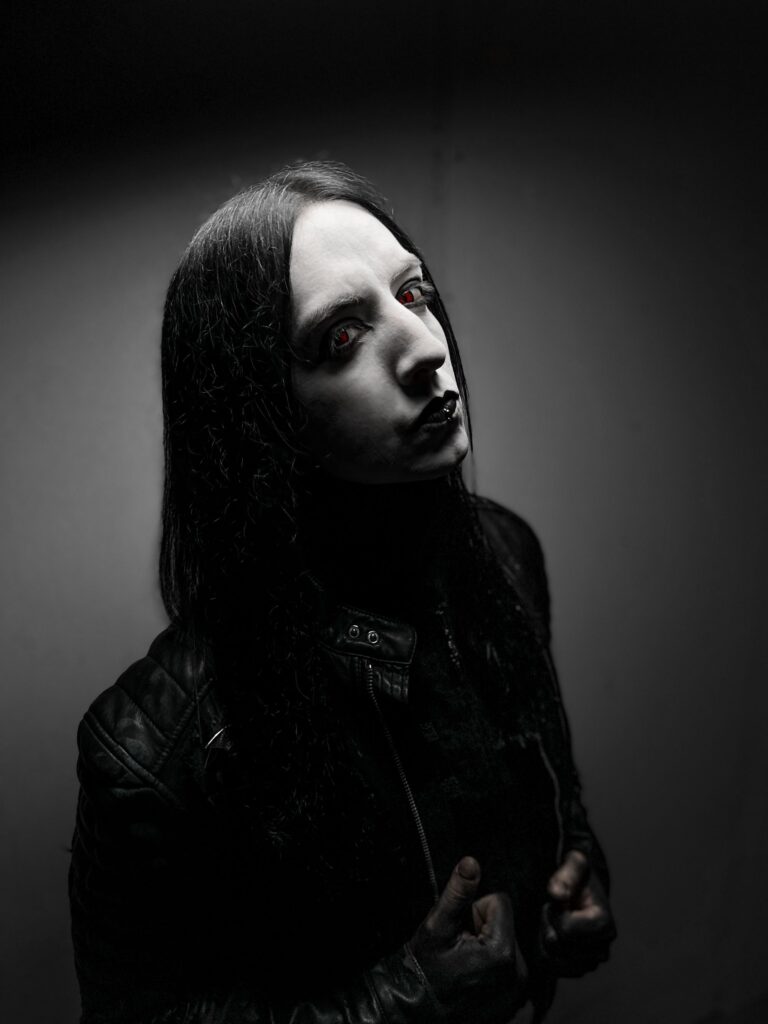
I vilka territorier har ni haft era bästa marknader än så länge?
Det är ju jättemycket i USA, jättemycket i Tyskland, och Storbritannien, väldigt mycket. Det är de tre toppländerna. Sverige, statistiskt sett så är det ganska bra, men vi har inte så mycket fans här än. Det är svårt att bli profet i sitt eget hemland. Säg att vi skulle göra en förbandsturné i USA, med något stort band, det hade varit det sjukaste. Men det kommer nog dröja ett tag. Det är svårt att ta sig in på den marknaden. Jättesvårt.
Alltså, det här med Sverige. Det är inte ofta ert namn står med på rockfestivalernas affischer.
Nej, det har varit väldigt intressant. Det är ett mysterium för oss, för att vi får liksom många erbjudanden ute i Europa, att åka och spela på festival i Rumänien, Tjeckien, Tyskland och Spanien. Nu ska vi spela Wacken igen. Vi har liksom byggt upp ett bra nätverk och vi får bra erbjudanden. Sverige, så bara, nej. Jag vet inte. Vi vet att de ser oss, för att vi har hört det längs vägarna, men det är som att de bara inte tycker att vi passar, eller att vi inte är bra, eller att det är en personlig preferens hos bokarna som bara ”Nää.”. Alltså, vi har ingen aning. Men det vi vill, det är ju att komma in på den svenska marknaden för att kunna bara ”Så här är vi live. Så låter det. Det här är showen.”. Vi spelade på Anchor nu för ett par månader sedan. Vi gjorde dubbelgig; fredag och lördag. Folk var helt golvade. Vi sålde jättemycket merch och folk var så här ”Vad i helvete hände?” och vi sa ”Nej, så här har det varit i fyra år.” och ”Jaha, jag har inte förstått.” och ”Nej, men nu vet du.”. Och det är det vi vill liksom implementera i Sverige överlag. Nämen lite så här bevisa att ”Det här är vi. Det här är Mister Misery.”. Nu inför albumsläpp med marknadsföring och gig i Sverige, det är också så här ”Nä”. Så vi försöker ju få till någonting i Sverige. Ja, just nu ska vi bara ut överallt annars. Vi har försökt få till vissa saker; intresset finns inte riktigt där. Så antingen är det sminket, eller så är det musiken, eller så är det något annat. Vi vet inte.
Kan det vara lite så där läskigt i början när fansen blir lite typ närgångna mot er?
Ja. Någonting som har blivit, som vi själva är skyldiga till att ha utvecklat, är att vi har blivit lite karaktärer. Vi är ju inte fyra grabbar som spelar hårdrock, utan i vissa fans ögon så kanske vi är någonting mer. Inte att vi är idoler, men att vi är typ varelser kanske. Och de tycker det är jättehäftigt, och det är så speciellt, men det kan bli att det går för långt också. Det hände i Prag bland annat. Där blev vi ju stormade, och folk flög på till höger och vänster, och folk började bråka om vem som skulle liksom få ta kort med oss först. Vi har aldrig varit med om något liknande. Och det blir lite obehagligt. Man bara ”Oh, shit.”, och någon kommer med en kamera över en och bara ”Nej, det är min tur.” och rycker i en. Sedan finns det ju de som är jättesnälla och respektfulla och så här. Men vi har stött på ganska många sådana nu, så vi börjar bli vana liksom. Vi vet hur man ska hantera dem. Det är jättekul att de finns dock, för att, jag menar, det är ju verkligen också så här eldsjälar som köper all merch och lyssnar på musiken dagligen. De är ju våra största fans på ett sätt. Man får kanske gåvor. Gåvor som är fina, gåvor som är läskiga, gåvor som är obehagliga. De kommer med mat och tårtor och man bara ”Nej, jag kommer inte att äta det här. Det är okej.”. Vi hade ett fan när vi spelade i Tyskland som kom med en tårta. Hon hade gjort en tårta. Den var jättefin, med vår logga på och allting, och hon bara så här ”Jag vill se när ni smakar på den.” och ”Nä, inte nu.” och så här ”Men lova att testa den.” och hon spammade oss och det var verkligen så här ”Skicka bilder.”. Till slut blev det att man bara, jag vet inte, man får liksom stänga av från den människan då. Men vi är tacksamma att de finns där.
Ni kallar era fans för Ghosts. Berätta om den idén. Var kom den ifrån? Vem kläckte idén?
Nej, men det var typ gemensamt. Jag minns inte vem det var som kläckte den. Vi började prata om att många band har ett samlingsord för sina fans. Slipknot – Maggots, In Flames – Jesterheads. Vi tyckte att det är coolt, det är något lite speciellt, och det gör också att om dina fans kan benämna sig som något speciellt i det facket så känner de en extra tillhörighet, och det blir lite mer unikt, det blir lite roligt, och du är en del av någonting större. Så vi bollade idéer. Vi var inne på så här Crows och Ravens och allting, men ”Nej, det låter lökigt.”, men så var vi lite så här bara Spöken liksom. Våra spöken, och så blev det så. Men det är lite gulligt liksom. Lite kul. De är våra spöken. Så det blev så.
Svårt. Precis som med ett artistnamn, när man väl har gjort det här så kan man ju inte bara byta namn.
Nämen, det är också så här: vi har ju varit inne på om man skulle byta logga, byta emblem, men folk har ju börjat tatuera sig. Alltså, vi har ju fått minst 50 tatueringar. Folk som har tatuerat handen, armen, folk som har gjort liksom sleeves, och vi bara ”Det går inte.”. (Skratt) Till slut så blev det att vi bara ”Nej, men då får det vara det emblemet.”. Det har hänt att folk sagt typ ”Kan ni skriva en rad från en låttext, med er skrivstil?” och så får vi en bild sedan och då har de tagit alla våra skrivstilar och så tatuerat hela texten. Våra fans är väldigt dedikerade, och det är vi otroligt tacksamma för, för att även om vi inte är jättestora så beter sig våra fans som att vi är jättestora och de gör allt för oss. Vi har flera fans som nästan ska på varenda spelning på hela turnén. De köper allt, de gör allt, de lyssnar hela tiden, de delar allt, de är en del av en fanclub som bara promotar. Nä, det är jättekul.
Jag måste bara fråga en sak till. Live, där ni har ert smink. Är det enkelt att tvätta av?
Nej, det krävs sin lilla stund att få bort allting. Det är ju så här oljebaserat, tjockt smink liksom, och så är det puder på det, så det sitter ju.
Av Tobbe – Publicerad 20:e juli 2024
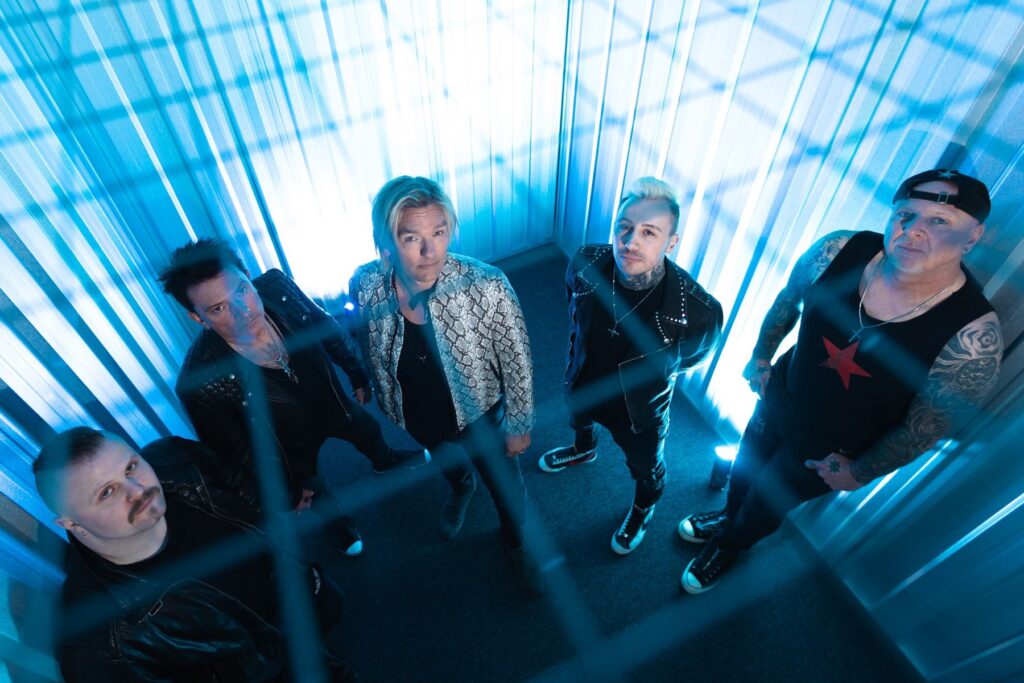
As the British melodic hard rock ensemble Vega came to Stockholm in mid-June, Metal Covenant talked to singer Nick Workman and guitarist Marcus Thurston.
Some background information to the opening question: The three shows in Sweden were originally announced as FM headlining, with Vega supporting, but later on also with Black Paisley added to the roster. Things suddenly took a wrong turn sometime in May though, and eventually Black Paisley and Vega decided to go through with these shows as co-headliners.
First of all, guys. Tell me the full story about the debacle for these gigs.
Nick: It has obviously nothing to do with the bands. I can’t speak completely about the FM perspective, but I think it was the fact that they were supposed to receive certain guarantees, payments. Contact didn’t happen, payments didn’t happen, and I believe the response they had was, “It’s not their fault.”. I can’t say officially what it is, because I don’t know. The only dealing that I had with the agent was when I started to hear rumblings that Jorn was canceled, and another tour was canceled by the same promoter. I sent a message, and I think it was 24-48 hours later, I just had a message back quite vague saying, “The dates may be rescheduled.”. And we obviously know FM. We’ve toured with them a lot, so they’re good mates of ours, and they didn’t know what was going on, and eventually, yeah, it wasn’t happening. Black Paisley had been added to the tour fairly late on, and we were gonna do a certain amount of kit sharing with them, so I was in contact with Stefan (Blomqvist) anyway, and I just said to him, “Do you think there’s a way we can try and make these dates work?”, because we’d booked flights, all our travel, and hotels, and all sorts of crap, and we were gonna stand to lose all of that. We knew it was gonna be just a hope and breakeven tour anyway. And he said, “Yeah.”, and, you know, Stefan and his guys worked really hard to keep the dates alive. And here we are; end of the three dates. It’s been great fun. Now obviously we have offered free entry to FM fans. Not everyone has turned up. But that’s the other thing: I don’t know what the ticket sales were like anyway, ‘cause from the sounds of it, Gothenburg yesterday, they weren’t great sales anyway. But we had a good time in Gothenburg last night, and tonight, you know, I think it’s been guestlisted to the max, but that’s all right, because we just wanna play in front of people, so.
The album Battlelines was out in September last year, and I guess you guys delivered it to the record company over a year ago. Does that record still feel like a new one?
Nick: Yes, ‘cause we haven’t done loads of dates off the back of it, so it’s still good to play them, and they’re good fun. The old ones, we’ve played them a lot. And it always comes to playing, say, a song like Kiss Of Life, which we’ve been playing for many years now, but it’s like, “Aah.”. We would never soundcheck with it, because it’s like, “Oh, my God.”, but when you play it live, when you obviously get the audience singing that, that makes you good. The same way I’m sure Bon Jovi don’t look forward to playing Livin’ On A Prayer, but they look forward to the response. Not comparing the two songs, clearly, but yeah.
How much material do you have already for a new record then?
Nick: We’re writing all the time. We even had some bits and pieces left over. But I think at the moment we were just looking forward to these shows, and we haven’t done much since last year really. We’ve just been getting through a few bits and pieces. Yeah, we’re never gonna be struggling to write songs, not with the people in this band, so. We’ve got some stuff going on, but we don’t know if it’s Vega or something different.
If you have some old stuff, on some file, I guess, somewhere, wouldn’t it be kind of hard to use that material because you’re maybe in a different mood when you start writing for another record?
Nick: Yeah, of course. I mean, look, upstairs on sale now there’s a demo CD, which we got permission from the label to sell just to help with funding tours and stuff. And that has about eight or nine songs on there that never made the albums. I think on my computer at home, I’ve got probably close to a hundred songs that haven’t been used. But that could be because they’re shit, or it could be because there was something similar to it. I’ve been listening to a few, and there’s a couple I’m just playing around with at home at the moment. So I’ve just moved to Sweden not long ago, and I’m only just getting set up with my studio now. So I just broke out another song just to mess around with it. Who knows what we’re doing?
But is there something you always try to incorporate into a Vega song when you sit there and write?
Nick: No. It’s just wherever it goes, isn’t it? We don’t write to a recipe.
Marcus: I think with every album we’ve evolved. Not necessarily in a certain direction. But yeah, there’s not really, “Okay, but we’re gonna write this time with that style.”. It’s just as it is.
Nick: I don’t think you can say one album sounds exactly like the other. You can say it sounds like Vega. But the same way Queen evolved all the time, I think each of our albums, unintentionally, do.
Some bands nowadays start to release individual, or standalone, singles. Is that something Vega might be doing as well?
Nick: No, we’re tied into contract with the label. Maybe after that.
Marcus: But I know what you’re saying. That seems to be a trend.
Nick: That’s a Spotify thing. And Spotify, as much as we’ll find it very convenient, Spotify has killed music to a degree, because people don’t listen to albums anymore. They just listen to what they feel like. We all do it, we’re all guilty of it, but Spotify, and Deezer, or iTunes, all that, you know, it’s kind of killed it a little bit. One of the songs on the album, 33’s and 45’s, is about that old feeling we used to get. I used to sniff record covers, or tape covers, the new ones. (Laughs) It was just a really good thing, just to listen to an album, read the booklet, and stuff like that.
Marcus: Yeah, look at the pictures, like you say. I used to even read all the thank-you-list, just to claim any info about the people you are really into. I listen to music all across the boards, sort of like rock, metal genre, and stuff, and even some of the pop bands I listen to. But it’s like they’ll do one single, but they’ll spend all the budget on doing the video in that one, and promoting just that one thing. So yeah, I understand what you’re saying. It is a trend, where people don’t push out so much.
Personally, I don’t like that trend, because it’s hard to keep track when one song pops up here and one song pops up there. Give me an album, 10 songs.
Marcus: Yeah, I know. I don’t really like that, and when you’re gonna see what else is there, there isn’t anything, yeah.
Nick: The good thing about an album is that it captures a moment in time, and it’s not just an advert. It’s a whole, you know, story. You want at least 45 minutes of story going on there, so. Old-school.
For a band of, like, Vega’s size, are streaming services like Spotify positive or negative?
Nick: Look, English bands do shit on, like, Spotify. If you look at us, compared to some of the Swedish bands, we barely scratch the surface. So as much as I complain about Spotify, I don’t think it really affects us that much. (Laughs) Because we do excellent in terms of selling CDs and vinyl at gigs. In the UK, especially, obviously home territory, I’m pleased to say that we do more CDs and vinyl. If streaming is what is gonna get us a gig, we’d never get a gig, because it’s, like, embarrassing that figure there, isn’t it? If our parents weren’t listening to us, no one would be. (Laughs)
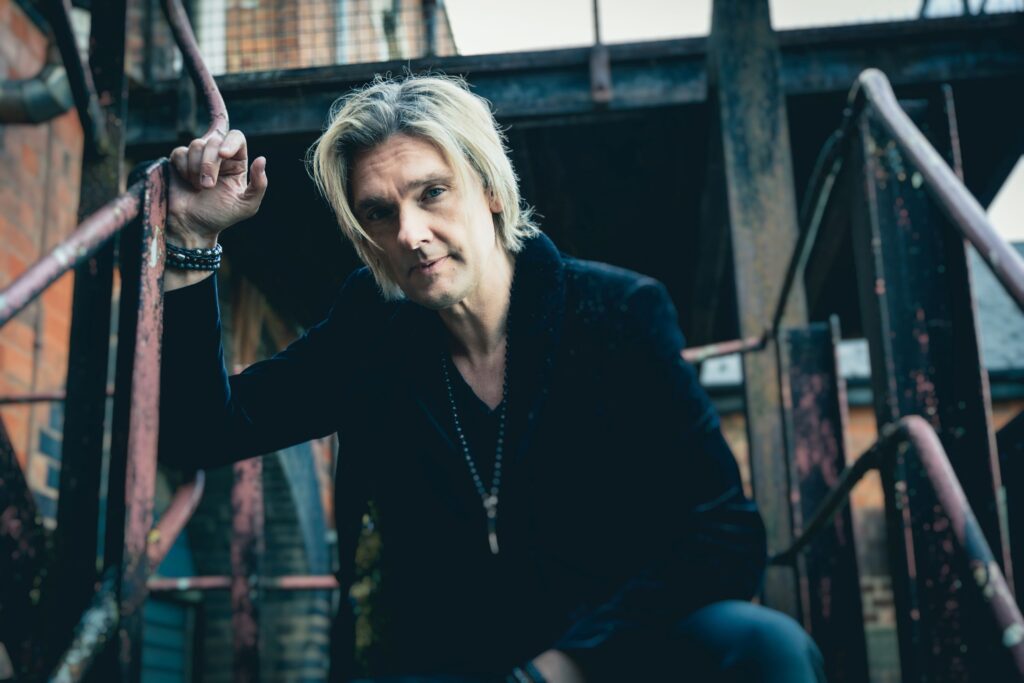
You guys had a couple of lineup changes in the last couple of years. Tell me about those lineup changes.
Nick: Well, we’ve gone through a few. We were signing some albums the other day, and someone said to us, “Only sign the albums you’ve played on.”, and I think I was the only one that could sign all of them. I think Marcus could sign, more or less, all but two.
Marcus: Nick is obviously the founder member, and I’m the longest standing one after that. (Laughs)
Nick: And I’ve said he can’t sack himself. But look, the whole thing with being in this band is that we do it because we enjoy doing it. And with Tom and James, who I founded the band with, it got to the point where it was inconvenient for them to be doing this. So there were no fallings out. It was just they weren’t enjoying it as much anymore. It’s just like in a relationship; don’t be in it for the sake of it. If you’re not enjoying it, get out. And you’ll see tonight. As much as we’re professional on stage, we also have a really good time on there. We dick about, you know. And people have been saying, just on this tour, that it’s been so entertaining, because it’s not just standing there and playing the music. You can listen to the CD for that. We mess with each other.
Marcus: We do. And we enjoy it, and I think that does come across, because the audience respond, and they get in on it with us as well. So it’s great.
Nick: We have no boundaries in this band. We rip each other to pieces.
It’s been, like, 2 years since Covid was around. Well, it’s still around, but in a smaller scale. So, how did Covid affect you guys and the band?
Marcus: Massively, I think. Well, we’d just released Grit Your Teeth. We actually had European tour sorted, UK tour sorted. We had quite a lot of work lined up actually. But I think it even did quite well, even in the UK charts. Was it number five or six, or something?
Nick: Four.
Marcus: Number four. There you go. And so it was like, “Yay! This is going great. We got all this stuff booked.”, and then, nothing. It was completely shut down.
Nick: And the live scene in England hasn’t recovered since that. I even spoke to a guy, in a Swedish band, and he said it’s the same here, that presells of tours are probably half. At a certain point in time they’re half what they were pre Covid. People are too comfortable watching Netflix.
And I think there were, like, a thousand bands out touring last year.
Marcus: Well, that’s another thing. Some of the promoters are saying, “Why are you booking tours when X, Y and Z are playing?”, or whatever. You know, “Let this band play, and that band play.”.
Nick: But you know what sucks in England as well? People won’t go to see an original band, but you’ll see a tribute band ‘round the corner, packed!
Cheap beer, I guess.
Nick: That’s probably it. Cheap people.
Marcus: But yeah, it’s a very odd time actually. And you see time and time again on the socials, you know, some people will come out and be honest about it and say, “Yeah, people haven’t bought tickets, so we have to cancel.”. Other people will say, you know, the usual thing, “Beyond our control, blah, blah, blah, blah.”.
Nick: We haven’t canceled anything, really, for that reason, so. And it’s just a case of: if we didn’t enjoy this, we would not be doing it, because we are certainly not doing it to make money.
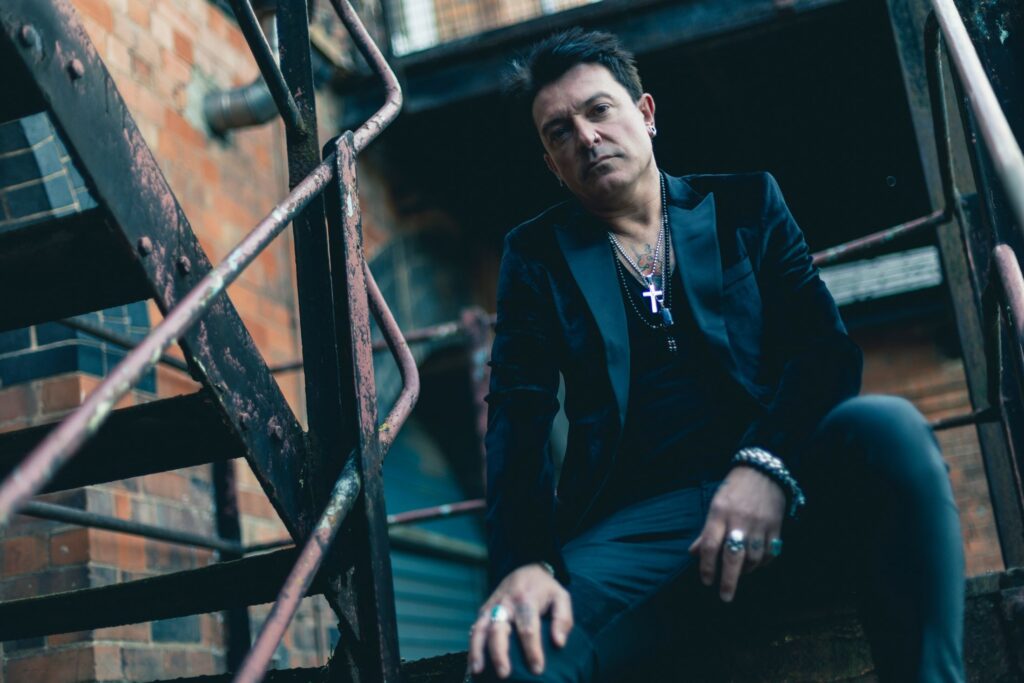
Do you guys sometimes discuss within the band why Vega hasn’t become a bigger band yet?
Nick: People will say it to us all the time. Even last night, people will come and say, “This is embarrassing that you’re only playing here.”. But the only way to keep enjoying what we’re doing is to not have these expectations. Because if we did, we’d be disappointed.
What do you guys do besides Vega?
Nick: Piss and moan.
Marcus: Yeah, I’ve got to an age now where I just love to be miserable and moan a lot.
Nick: No. I mean, I’ve just moved to Sweden, in August last year. I live in Halmstad. But we all work for ourselves.
Marcus: Yeah, we’re self-employed. I’m a guitar teacher. But you wouldn’t know it from the shit I play up there today. (Laughs)
Nick: We’re quite surprised as well. So, I work for a production company in Spain. We’ve just been doing a Queen show, and now just doing an AC/DC one, so. Pete’s got his own studio, so he’s recording. Martin… I don’t even know what Mart does really. Supposedly a lot of drugs. And Billy is a pretend fireman. So there we go, yes. And we all got a few things going on.
By Tobbe – Published July 8th, 2024
Metal Covenant snackade en stund med Dismember-sångaren Matti Kärki när bandet var och spelade på Sweden Rock i juni.
Nog för att bandet var på paus ett tag, men det var jäkligt längre sedan en platta släpptes. Det är väl typ 16 år sedan, så, ja, jag lämnar över till dig.
Ja, vi har varit upptagna liksom med att lira. Det finns ett sug liksom. Det fanns både ett sug på gamla skivorna som inte var tillgängliga någonstans och det var ett sug på att se oss lira. Det har liksom kommit en ny generation av metal-folk, som har växt upp, och de har aldrig sett oss, eller kan inte få skivorna. Men vi är väl fortfarande upptagna liksom med att försöka gigga så mycket det går. Alla är ju vuxna och har jobb och annat att pyssla med, så vi försöker liksom pussla ihop så att vi kommer ut och lirar och sedan håller på med privatlivet också då. Så att hittills har vi inte hunnit mer än att snacka om att det ska bli en ny skiva. Och det är vi överens om, att det ska bli det. Men när vet vi inte. Hur, håller vi på att diskuterar också, i och med att nu är vi utspridda över tre olika länder, Sverige, USA och Belgien. Så att vi har inget bra forum att skapa musik i, på det sättet som vi vill skapa, för vi har alltid jobbat, ja förutom en skiva då, men annars så har vi alltid stått i replokalen och visat riff och varit kritiska, oavsett vem som har gjort låten eller riffen, ”Det där låter inget bra. Kan vi ändra på den? Kan vi arrangera om det här?”, och vi behöver den processen för att göra låtar som vi först och främst är nöjda med själva. Och det är jävligt svårt för att, jag menar, som Fred, han kan ju inte sitta och flyga från USA för att liksom sitta åtta timmar i en replokal och pussla ihop riff. Så vi håller på och liksom hittar rätt utrustning, rätt forum, för att kunna jobba på det sättet som vi vill för att få en stomme till låtarna. Sedan kan man liksom åka till vilket jävla land man nu bestämmer sig för att åka till för att snickra ihop det sista och lira dem tillsammans. Så vi har inte kommit dit, men vi håller på. Det ska bli en. När vet jag inte. (Skratt)
På dig låter det som att det inte ens är säkert 2025. Det kan vara 2026 vi talar om till och med.
Ja, så kan det vara, för vi har liksom inte satt något datum på när.
Men visst ligger ni fortfarande under kontrakt med Nuclear Blast?
Vi gjorde ett nytt kontrakt med Nuclear Blast. I och med att vi återförenades var vi osignade, men vi kände att vi behövde återsläppa de gamla skivorna så att de fanns på marknaden så att folk kunde köpa dem. Och Fred, som håller i det, alltså allt som har med business att göra, snackade med Nuclear Blast, USA då, och då blev det väl bara att de gav liksom mest och ville lägga ner arbete på att få de här återsläppta och promotade och så där, så att då blev det dem igen. Men jag hade ju lite gruff med Nuclear Blast förr i tiden, men det var ju för att de inte var intresserade längre. De är väldigt trendkänsliga. När vi höll på med Death Metal-skivan, då var ju death metal helt ute. Vi skickade in någon jävla rough-CD på nya låtarna och så ringde de upp ”Det här säljer inte längre. Ni måste ändra stil.”. Därför heter skivan Death Metal, bara som ett litet ”Nej, vi tänker inte ändra. Vi är death metal.”.
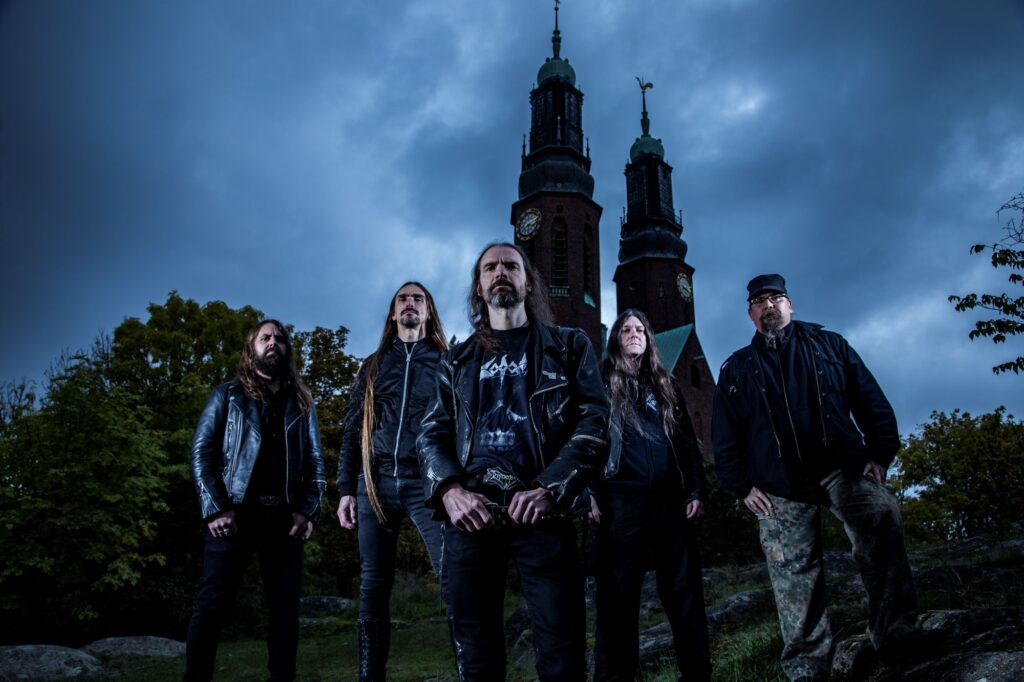
Nu, med en platta så långt senare, blir det svårare att få era texter att passa musiker som nu är i 50-årsåldern?
Alltså, när Stockholmsscenen började, då var ju mer eller mindre alla texter så här skräckfilmsinspirerade, för att vi liksom brukade hänga med polare, dra på en skräckrulle, Re-Animator, Evil Dead, eller vad fan som helst, och många av banden i USA som inspirerade oss gjorde ju samma sak. Så det började ju där. Sedan när man blev lite äldre och fick lite andra infallsvinklar på saker och ting, då blev det ju lite mer, ja, religionshat och så. Fortfarande våldsamma texter, för att det var ju det det gick ut på liksom. I början så var det mycket det här att man var ute efter den här skräckeffekten. Ja, men som Kiss, du vet, och blod, och Alice Cooper. Så här lite teatergrejer. Därav Pieces-omslag med fem avhuggna huvuden. Indecent And Obscene med den där uppslitna torson med logon i. Vi ville ju ha den där teatergrejen, men sedan blev man mer vuxen helt enkelt. Och man behövde inte fantisera. Det var ju bara att kolla på TV liksom om allt jävla skit som pågick i världen. Det var ju liksom bara skriva om det. Vi har däremot aldrig varit ett politiskt band. Alltså, självklart så har ju folk åsikter i bandet, men de lämnar vi hemma när vi är ute med bandet. Vi står inte för någon politik. Dismember har aldrig varit politiskt. Men däremot är det mycket influenser från politiken. Jag menar, där i början av 90-talet. Då var det ju hela jävla Irak-krisen, och krig, och Jugoslavien, och all den där skiten. Som jag sa, det var ju bara att slå på TV:n. Misär och elände. Det var ju bara att kolla där. Nu däremot, de utkasten jag har till texter är mer, inte så här splatter som det var i början, utan det är mer skräckigt. Lite så här Lovecraft-stuk på det. Jag gillar Lovecraft som fan. Det är ju helt störda stories alltså. Så att från min sida så har det väl blivit mer att jag försöker skriva om sådana grejer, att det fortfarande är liksom skräckiga saker och sådant där. Jag har inte pratat med Fred, för han brukar ju skriva en del texter också. Men min personliga grej är att det blir lite mer existentiell skräck.
Själva musiken då? Nu är ni ju knappt i startgroparna än, men tänker ni att det kan låta mer klassiskt och gammaldags Dismember, med risk för att ni blir hängda, eller kanske försöka få till ett modernare Dismember?
Nu har det ju gått jävligt många år. Folk har gjort jävligt mycket olika saker med olika band. Vi har ju liksom passerat in i gubbåldern, som du nämnde här. Jag tror, oavsett vad vi tar in för influenser i de nya låtarna så kommer det låta Dismember. Men som du säger, det finns ju en risk, för om vi bara återupprepar någonting gammalt så kanske det inte blir så jävla roligt att lyssna på. Först och främst, vi har gjort det, och för det andra så finns det jävligt många band som har den här typen av band, som har både Entombed och Dismember och sådant där, som influenser. Då blir det liksom så att då har de också gjort det. Och sedan finns det ju band som började med att ”Nu ska det låta så mycket Stockholm death metal det bara går.”. Så då har vi ju dem också. Så nej, jag tror inte att det är någon jättebra idé att liksom ”Nej, nu ska vi göra som vi gjorde förut.”, utan någonting nytt måste ju ändå tillföras för att det ska liksom vara intressant. För annars kan man gå och lyssna på vad som helst, alltså av de här andra banden. Däremot, som jag sa, så kommer det låta Dismember. Det gör det. Särskilt när vi fem är i farten igen. Men hur, det vet vi inte än. Jag tror vi kommer vara jävligt kritiska. Men först och främst, det viktigaste i alla fall, som jag vet att alla i bandet kan ställa sig bakom, är att vi alltid har gjort låtar som vi tycker om själva. Vi har aldrig haft en idé om så här ”Ja, men nu måste vi ha en sådan här refräng, så att det blir allsång.”, utan blir det allsång på den låten så är det för att vi själva har skrivit, inte för att ha allsång, att folk kan liksom skrika med, utan det är för att vi själva gillar det och vill ha det på det sättet. Nej, men vi får se. Det är spännande.
Hur länge håller en sångares röst i Dismember live? Har du funderat på det egentligen?
Ett gig på två timmar kan man nog röja av. Däremot, gör man det under en längre period, särskilt kväll efter kväll efter kväll, så blir det ju inget roligt, för att man blir ju lite trasig i halsen till slut. Men som vi har lirat nu, liksom att vi kanske river av två gig i månaden på olika festivaler, då är det inga problem. Och sedan har jag ändå haft nästan åtta år på mig att vila upp, för att när vi la ner, då slutade jag med musiken helt och hållet. Jag gick och gjorde ett vanligt liv. Så att jag har ju fått vila rösten. Men före vi la ner, då turnerade vi ju för att leva på det, och då var det ju så att då var det ju tre veckor ute liksom, med gig varenda kväll. Och jag var jävligt trasig i halsen. Det gick att göra giggen, men det var inget roligt alltså. Man kände efter, bara ”Fy fan vad värdelöst det här är.”. Samtidigt är det ju roligt att spela och det hjälper ju sedan att man skiter i att det känns värdelöst i halsen. Men jag klarar två timmar, inga problem, och sedan kan jag fortfarande prata helt normalt efter.
Du nämner vanligt liv ett par gånger här faktiskt. Tror du att det kan kännas främmande för era fans att även en kille i Dismember kan ha en Volvo, ha en familj, bo i ett hus någonstans och leva ett vanligt liv?
Nej, jag tror faktiskt inte det, för vi har alltid varit väldigt öppna med att vi liksom inte har levt på musiken, utan vi har alltid haft två skilda liv liksom. När Fred hoppade av, då var den största anledningen, som vi var helt transparenta med, familjen. Det var ungar, det var kärring, det var jobb och allt det här, och någonting tog för mycket tid och var för mycket jobb, så att då blev det så att han beslutade att ”Nej, men jag satsar på det här istället.”. Vilket är helt okej. Har man liksom skapat en familj, då ska man fan ta hand om den också, eller hur?
Alltså, ni tillhörde ett av de tidiga svenska death metal-banden, som hade ett namn åtminstone. Det måste ju ha varit en väldigt spännande tid.
Jag kom ju med i bandet 90, på lite omvägar. Jag menar, David, Robban och Fred, de var inte mer än 14 eller 15, om inte yngre till och med. Jag ska låta det vara osagt. Och jag höll ju på på annat håll, lika gammal, född 72. Fred är 72:a, Robban och David är 73:or. Så vi var ju bara kids som ville liksom spela. Vi fick demos med coola band då, Autopsy, Death, Necrowar, Devastation, och då kände vi att ”Det här vill vi göra.”. Jag menar, vi hade väl ingen koll. Vi var ju bara kids liksom. Vi gjorde musik som vi själva gillade och sedan hade vi tur på så sätt att det var andra som gillade det också.
Av Tobbe – Publicerad 5:e juli 2024

Metal Covenant met vocalist, songwriter, founder, and chief of recordings Seeb Levermann at Sweden Rock, in order to talk about the new, kind of eponymous, Orden Ogan album The Order Of Fear.
Is the new album, like, a total display of bombastic power metal, as it usually is with Orden Ogan?
I would actually say no, it isn’t. Because we actually wanted to just scale down a little bit on, like, the orchestral stuff and the cinematic stuff. There’s still some of that in there, but I wanted to do a record that is more, like, guitar oriented and more forward, like more of a heavy metal record. I think it suits our sound well, because this is actually how most of the songs sound like when we’re done with the demos, because most of the time we just demo, like, drums, bass, guitar, and very, very often we put so much icing on the cake that it might be a little bit too sweet, you know what I mean? It was like, “Let’s go more back to the roots and do more a guitar record.”, and I think it sounds like Orden Ogan should sound like.
The album has a very speedy opener.
Yes, Kings Of The Underworld. We were thinking about doing an intro or something, but then we were like, “Okay, just fuck it!”, because to start the record like this is like a punch in the face. It’s a great song. It was actually supposed to be the fourth single, but then we decided to make Conquest the fourth single, which is a funny story, because when we were writing Conquest, I was like, “Oh, this is just not good enough for the record. We should just not put it on the record.”, but the other guys were like, “It’s great. It’s so great. You should put it on the record.”, and I was like, “No, no. I don’t think so.”. And then they were, like, basically convincing me of fully producing it, like, “You have to put your vocals on it, produce it, just put it in the mix and see how it sounds when it’s mixed and everything.”. Yeah, I was completely wrong, because now it’s the fourth single, and maybe one of the better songs we ever wrote.
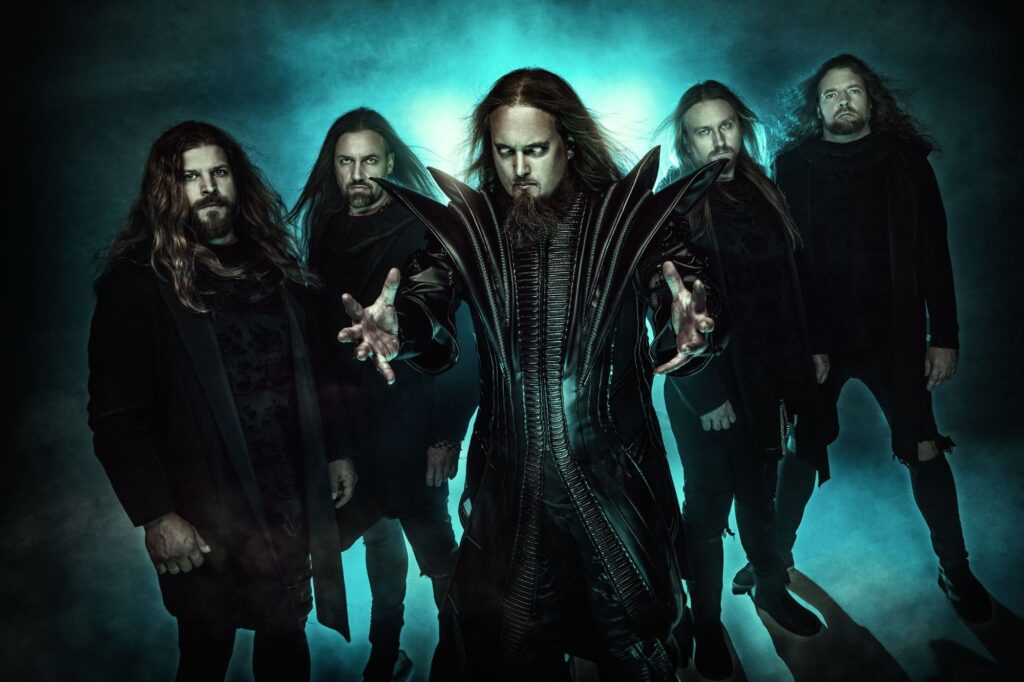
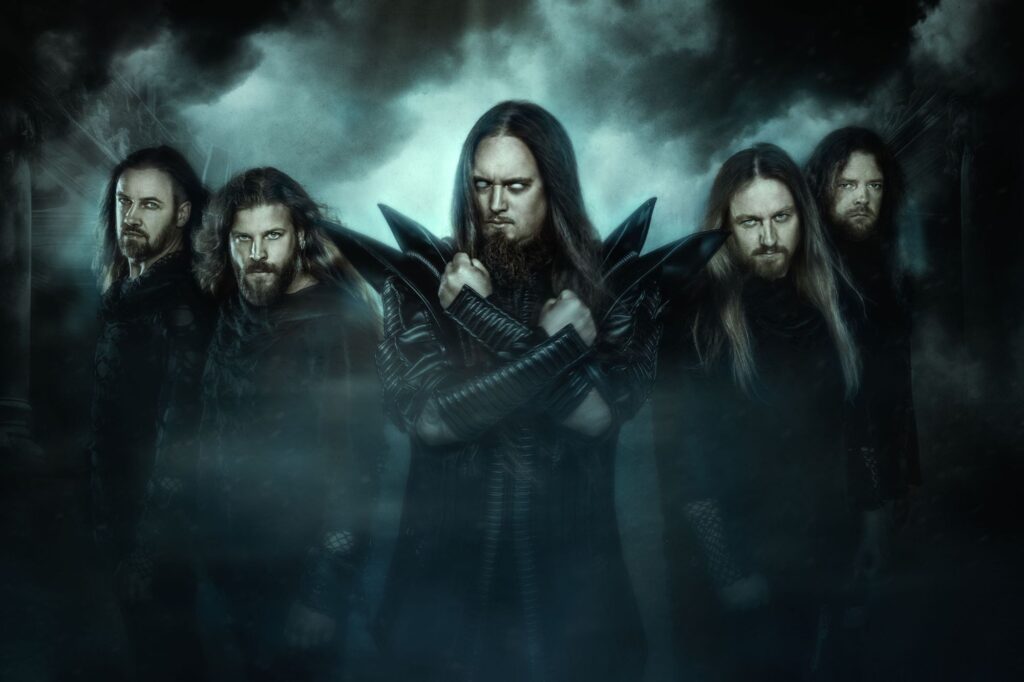
What components would you say signify a typical Orden Ogan song?
I think that Orden Ogan is actually a band that sounds pretty unique, at least to my taste, because we’re often labeled power metal. But nowadays we try to label ourselves as dark power metal, because it’s a lot harder and serious than a lot of the other bands. We also never sing about unicorns, dragons, and that kind of stuff. (Laughs) Lyrical-wise, it’s pretty dark, and also, like, from the riffs and everything, it’s pretty heavy compared to a lot of the other bands out there. So, if you take away the vocals and the choirs, it might just as well be like metalcore, or thrash metal, or like real hard heavy metal, or whatever. I think what also sets us apart is a little bit the way we use chord structures and melodies. I think there’s, like, something very specific to how Orden Ogan’s melodies sound in comparison to other bands. There’s just a few things that we always will do that other bands just not do, like endings and the way we use the harmonies. I mean, it’s an interesting question, because we also have to decide if a song is good enough to go on the record or not. So very, very often it also comes to, like, a gut feeling as well, like, “Is this really working?”, and if there is something moving, or a connection when I listen to it or not.
And the storytelling on the album is still circling around Alister Vale, right?
Yes, it’s still circling around Vale. Like basically, the story starts in 2008 with the Vale record. So, actually, Vale is an aristocrat who is ruling an empire with a lot of other aristocrats, like a circle. But there’s a lot of corruption and that stuff going on, so for the greater good, he decides to just break the circle, so that something like democracy might have a chance. In the end it’s anarchy, like, over the whole continent. (Laughs) So it’s pretty bad. But what also is pretty bad is that one guy is cursing him, and the curse basically says that he has to keep walking forever, as he cannot stay in one place for a very long time. And also everything that he leaves behind somehow decays and dies. People necessarily don’t have to die, but something bad is going to happen. So for all these years, on all these records, he’s basically looking for a solution, and he hears about an ancient nameless order, and finds these guys. They’re commonly referred to as Orden Ogan, the Order Of Fear. He finds these guys on the Ravenhead record in 2015. Ravenhead is the name of a monastery on a cliff, where the monks of Orden Ogan reside. There is also some very dense stuff he has got to do to get information, and in the end it’s pretty disappointing, because they just say, “You have to find the eldest of our order, and he’s not here.”. (Laughs) So he keeps going through Gunmen and Final Days, and now finally he finds the Order Of Fear, like the eldest of the order, and they tell him, “You have to do something that is even more evil, than what was done to you, to break this curse.”, and they tell him, “You have to shed the blood of one true friend in the moonlight.”. He’s got just this one guy, whose name is Abel, who has followed him since Easton Hope, the 2010 record, and this is, like, the closest to a friend he’s got. So he thinks about philosophical questions like the good of many versus the good of one, so he decides to just kill the guy. And shortly after that, he realizes, surprise, surprise, that he got betrayed. So what happened is that he actually took part in an ancient ritual, and now his curse is even amplified and even stronger than before. And as a side note, they’ve also awakened an ancient demon, (Laughs) that is running around now and making trouble. So yeah, he’s in a pretty bad spot by the end of the record, and let’s see what happens on the next one.
Do you see an end to this story someday?
I really like the story, and I really think there is so much really dark, sinister stuff going on. You know, I’m a big horror movie fan as well, and I really like very dark fantasy stuff, so I think I will enjoy the story of this for a couple more years. Maybe we should do, like, comics, or even put a book out, or something about the story, because I really think it would be really worth it telling the whole thing.
What if this story goes on for another 40 years? The fans would never get to see the end.
Yeah, at some point I think we should, like, put an end to this. But not now. It’s like we’re just in the middle of it.
Does it get more difficult to write lyrics around him nowadays than it was in the past?
No, not at all. And also about the development of the story, from time to time it happens that we sit down and just really think about, “Where do we wanna go?”. And from time to time, it’s the songs themselves, like, you have fragments of the songs, with some lines, like some book lines, and then you’ll be like, “Oh, it would be nice to connect this.”. It’s like a puzzle, you know. And it’s always big fun solving these puzzles. And also I have to say that the records are not complete concept records. It’s always just five or six songs that push the concept forward, because if you make all the songs part of the concept, then you make the songs slaves to the concept, and that just doesn’t work, for me. I want to have the opportunity to make a song that just stands apart from everything. And the greatest is if it works both ways. From time to time, you have a song like My Worst Enemy, that you can see on both levels. You can apply that to Alister Vale and also, like, on a personal level, like battling depression and anxiety. Those are always the best lyrics, if that works.
I was kind of surprised that you put out that song as a first single, because it doesn’t really represent the whole album. Why did you choose to have a ballad as the first single from the album?
There are several reasons to this. This was the first song that was, like, fully mixed, produced and everything, and everyone was like, “This is a great song. We should make a video for that one.”. So we shot a video and that was finished very early on, and we were like, “Why just not release it?”. We had discussions with the record company, also with friends of mine, and management. I got a lot of opinions if we should do that or not, but everyone basically had the same opinion. Everyone was like, “Yeah, it’s kind of a bold move.”. You know, like a ballsy move to put out a ballad as the first track. But then on the other hand, everyone was like, “Okay, the video clip is great, the song is great.”. And people really seem to relate with the lyrics, and that’s great, you know. I mean, I personally was never, like, the big depression guy, or whatever. I always had the music as kind of a cure for myself. If I was feeling bad, I could just sit down and write a song. But it’s great to give that to other people. You know, like, if music is helpful for other people, and they can listen, and get some comfort by listening, then that is a great thing to have.
About the artwork. There is a lot of death on the front cover. You have Vale of course, you have skulls, you have three creatures in torn veils, and a black crow. How come it’s so much circling around death?
I mean, first of all, it’s the home of the Order Of Fear, so it shouldn’t look like a rainbow. (Laughs) It’s a pretty dark place, and what is even more interesting actually about it, is that there is, like, a reference to every other Orden Ogan album in the cover artwork. You just mentioned the crow, and the crow is basically on every artwork. And, for example, Vale holds the mask from Final Days in his hand. And then you’ve got the lady out of the lake from the F.E.V.E.R video, where she is tied to a tree and everything. If you look closely, you will find a reference to every other album. And as it’s basically self-titled, The Order Of Fear, and there is like some sort of a final boss, for now at least, like the first final showdown, we felt this would be a nice thing to do.
When you’re not working with Orden Ogan, you do a lot of studio work. You have your own studio. Tell me about what you generally do in the studio with other bands.
Most of the time I do mix and mastering. So people record something, somewhere in the world, and then send it over, and say, “Okay, make it sound good, or better.”. (Laughs) I also do full production, like producing. I do that with Brainstorm, for example, though I have to say that this, of course, is taking more time and is very expensive for the band. Yeah, I did the last Asphyx record, for example. I’m a big death metal fan as well. So that was great, like working with my old heroes. But I really have to say: I’m actually scaling down the studio business a lot because Orden Ogan takes so much time now. I’ve got an apprentice since last year, who is working with me in the studio as well, because it just got too much, you know. At some point you got to sit down and be like, “Okay. What is my main focus?”, and that was always Orden Ogan. Orden Ogan is running great, like especially in Germany and in the rest of Europe, so I could just as well do just Orden Ogan and nothing else. Like, the studio basically was in the last years more about the passion about working on music than about making extra money, you know. But at the moment, it feels like it becomes more of a burden actually. Like, too much stuff going on, too many people that want stuff from me, and you just don’t have the time to do everything justice, so. I do think I will focus a lot more on Ogan and Angus McSix. And also, I got a third project that will be coming, hopefully, next year, because, like I mentioned, I’m a big death metal fan as well, so for, like, 10 years I have wanted to do this record with my death metal project. The name of the band is The Fall Of Mankind, and I couldn’t release that for a very long time because I didn’t find a proper singer. Because I wanted to have somebody who sounds really old-school, but still understandable, because we are writing book lines and everything. And it’s just groove focus. You know, no blast beats or anything. If I should name one band to compare it with, I would say more like Bolt Thrower maybe. I think they left a pretty huge gap, so there is a good chance that this will work, like, really well.
So what is happening in the Angus McSix project at the moment?
Right now it’s in pause mode, basically. Thomas (Winkler) is at home. He became a dad. And he still has got his, like, main job, so everything takes a lot of time. But I think there will pretty much be a new record next year as well.
And my last question. On the 2004 record Testimonium A.D. you had a song called Y, U, Id ant my. What the hell does that mean?
I know what it means, but I cannot tell you. (Laughs)
I’ve been wondering for, like, 15 years.
I’m sorry about that, but that is a secret. (Laughs)
I was thinking, like, finally I’m gonna ask him what the hell that means. You know, I’ve listened to the lyrics, and I’ve read the lyrics, can’t find anything.
No, you can’t find it, no. Maybe I will tell you one day, completely off the record, yeah.
Okay, I’m cool with that.
By Tobbe – Published July 2nd, 2024